
Recent Posts
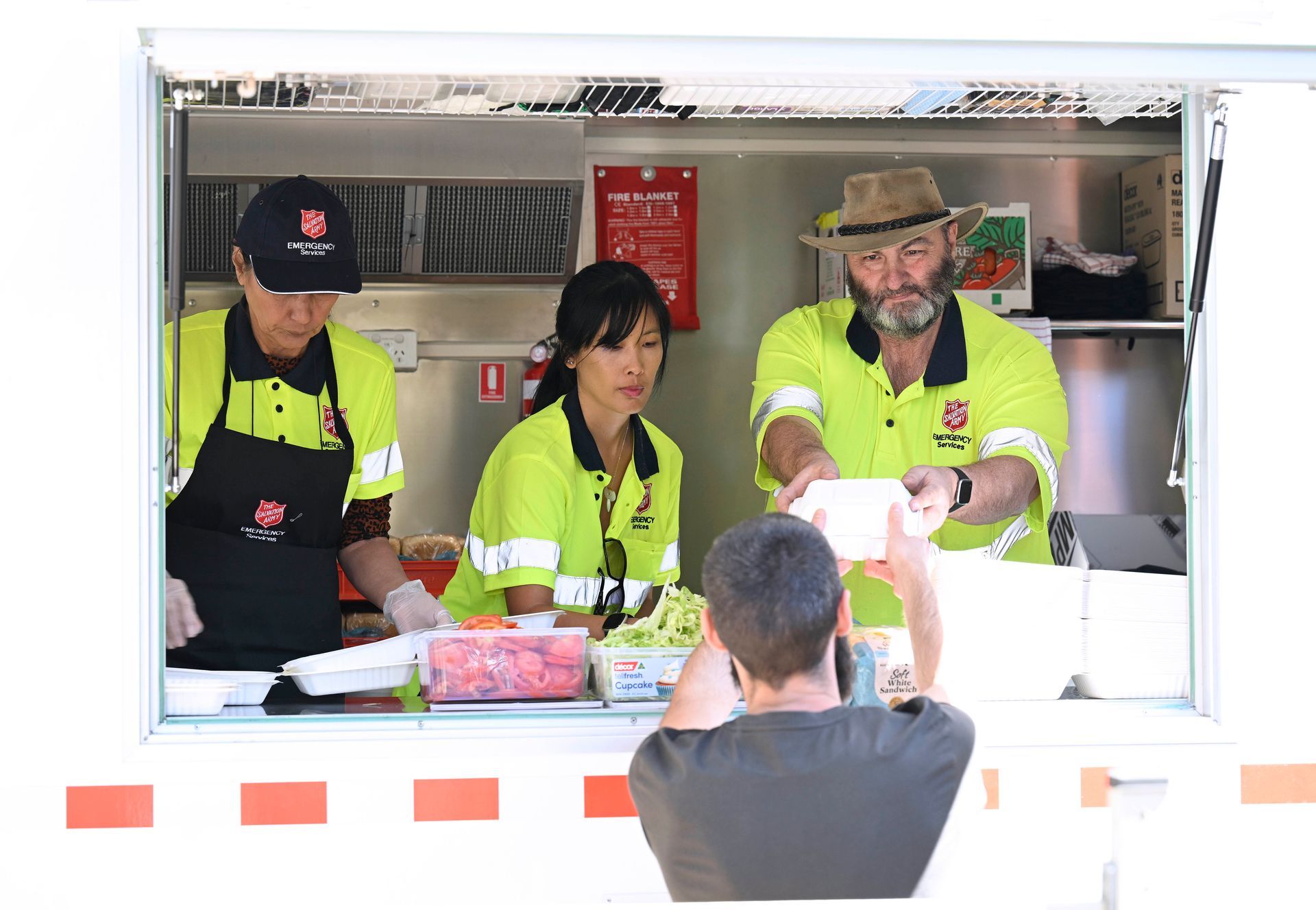
The Salvos are strengthening national emergency response capability, partnerships, and coordination across agencies and jurisdictions to help Australian communities prepare for and recover from disasters.
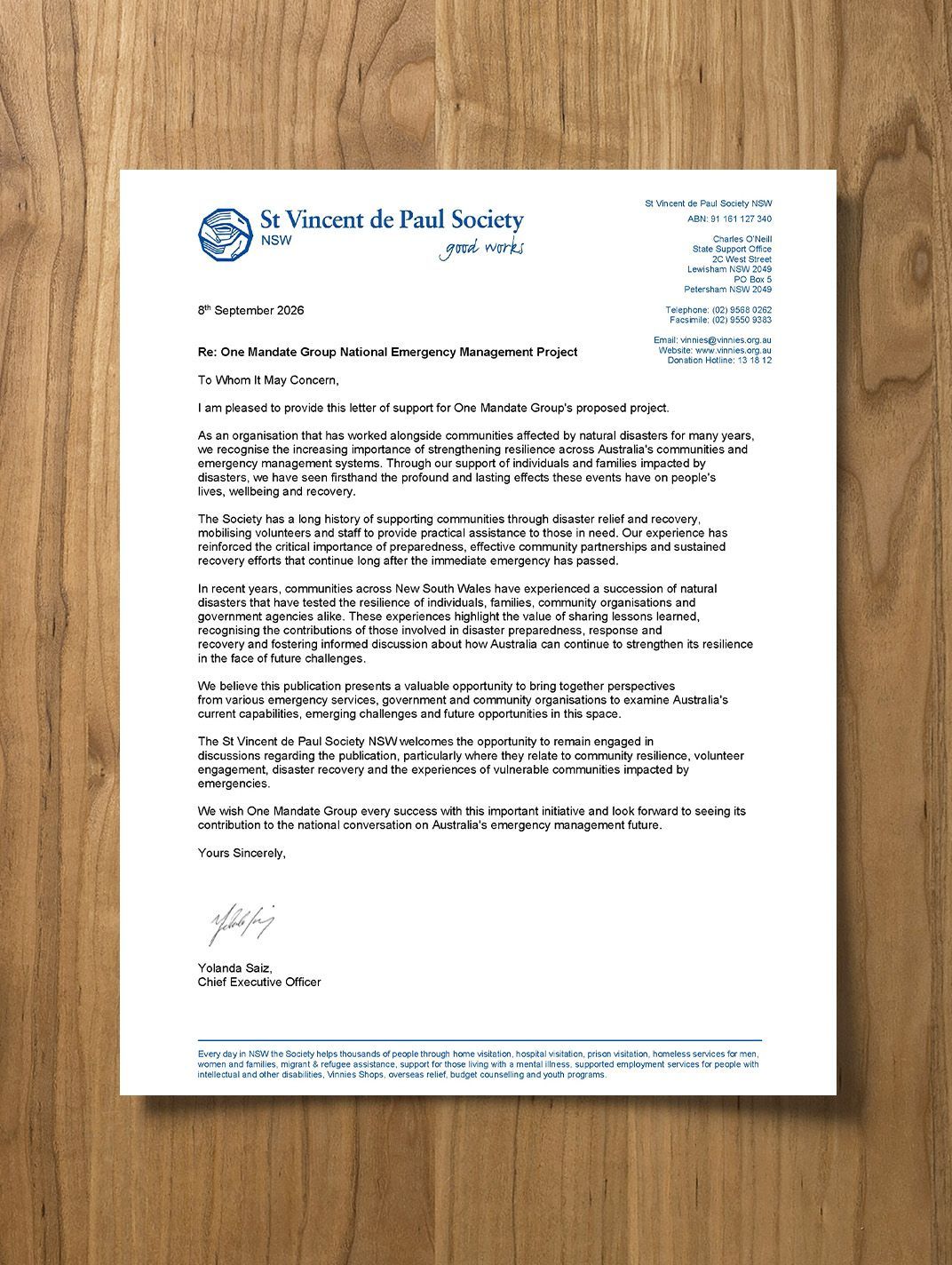
We believe this publication presents a valuable opportunity to bring together perspectives from various emergency services, government and community organisations to examine Australia's current capabilities, emerging challenges and future opportunities in this space.
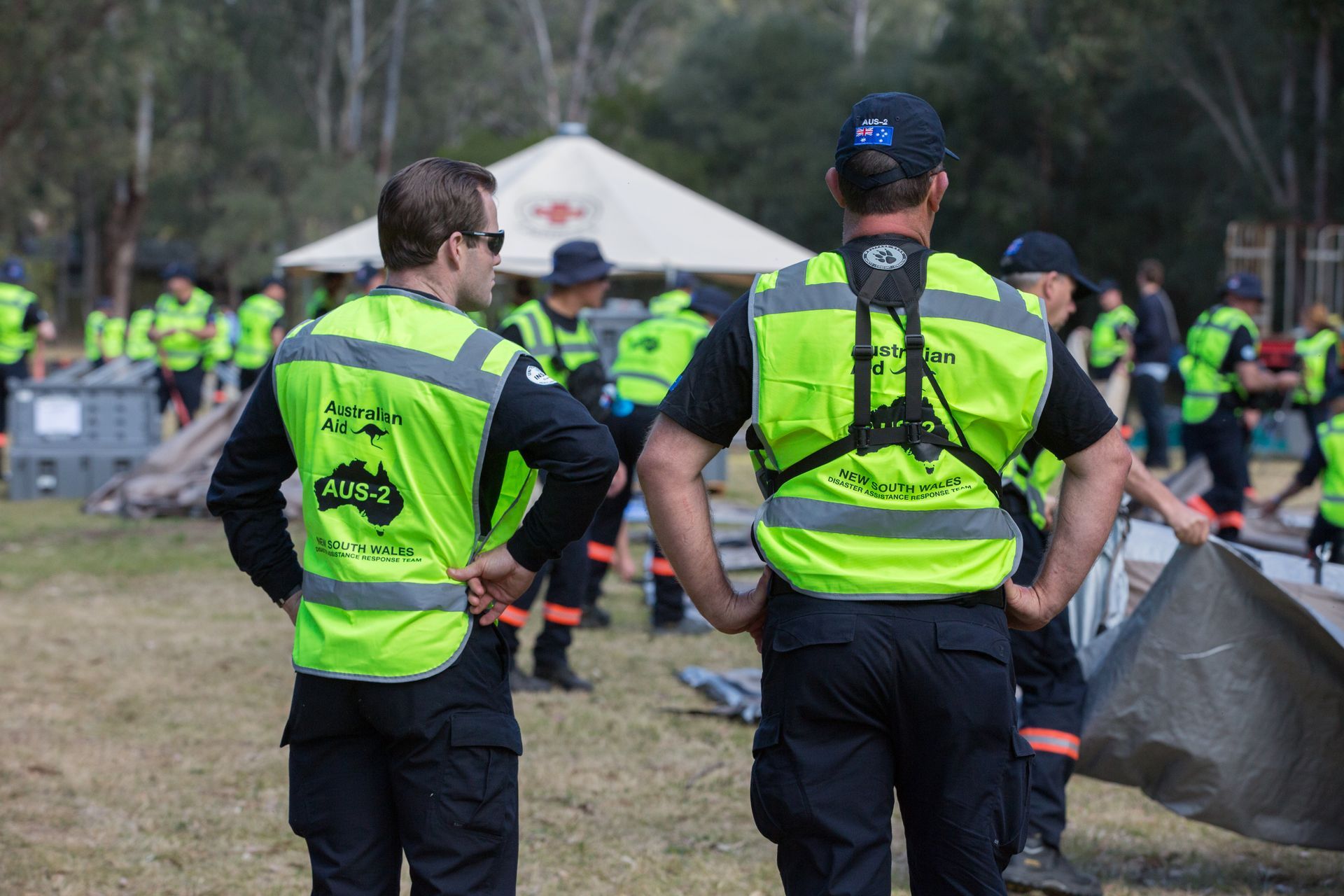
Australia doesn’t have a disaster response problem. It has a collaboration problem. As disasters become more frequent and disaster funding becomes harder to secure, a system shaped by jurisdictional silos, duplication, and organisational competition is increasingly difficult to justify. While collaboration is widely advocated, the structures and incentives that shape emergency management often reward the opposite. This article challenges the sector to embrace shared accountability, complementary capability, and collective impact. The question is no longer whether we can afford to work differently, but whether we can afford not to, if communities are to receive the support they deserve.
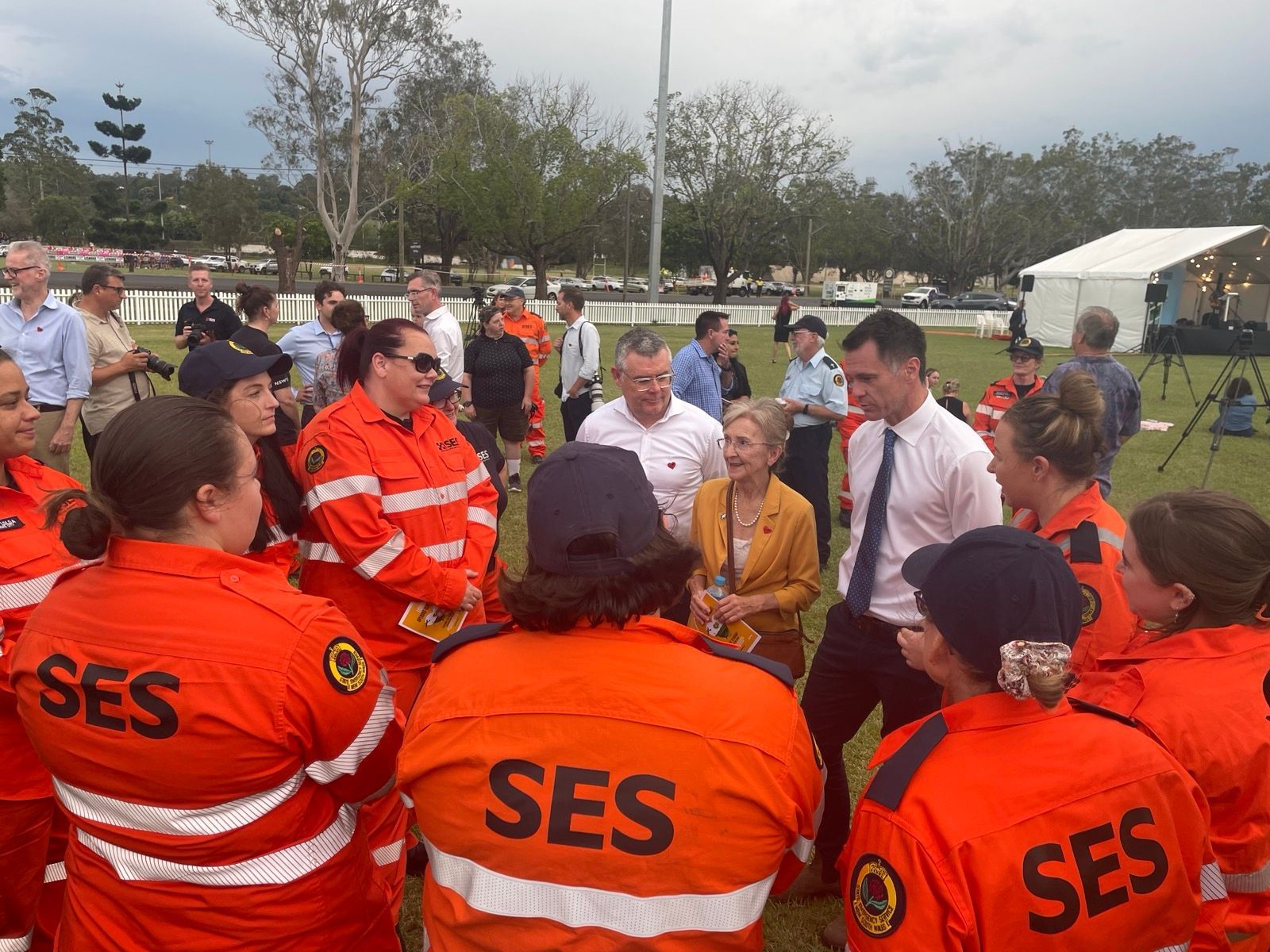
Australia cannot keep paying after disasters while underinvesting before them. Janelle Saffin argues for a national Disaster Risk Reduction 2050 national project with clear targets, serious funding and urgent action to reduce known risks, protect communities, lower future costs and make preparedness not endless recovery our defining national response.
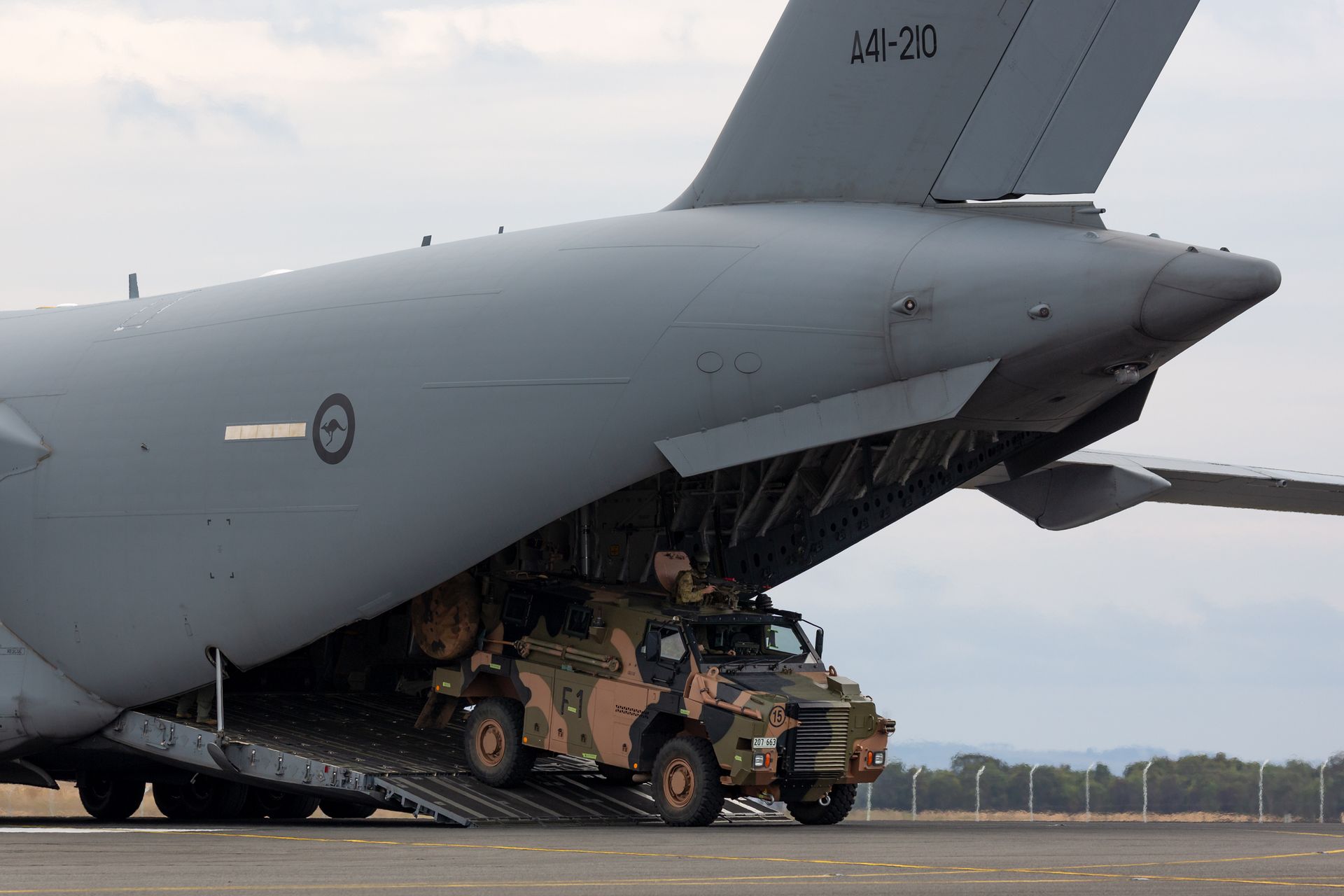
DEALING WITH THE AFTERMATH OF THE 2004 TSUNAMI WAS CHALLENGING BUT THE AUSTRALIAN DEFENCE FORCE MORE THAN ROSE TO THE OCCASION, WRITES THE COMMANDER OF OPERATION SUMATRA ASSIST, MAJOR GENERAL DAVE CHALMERS
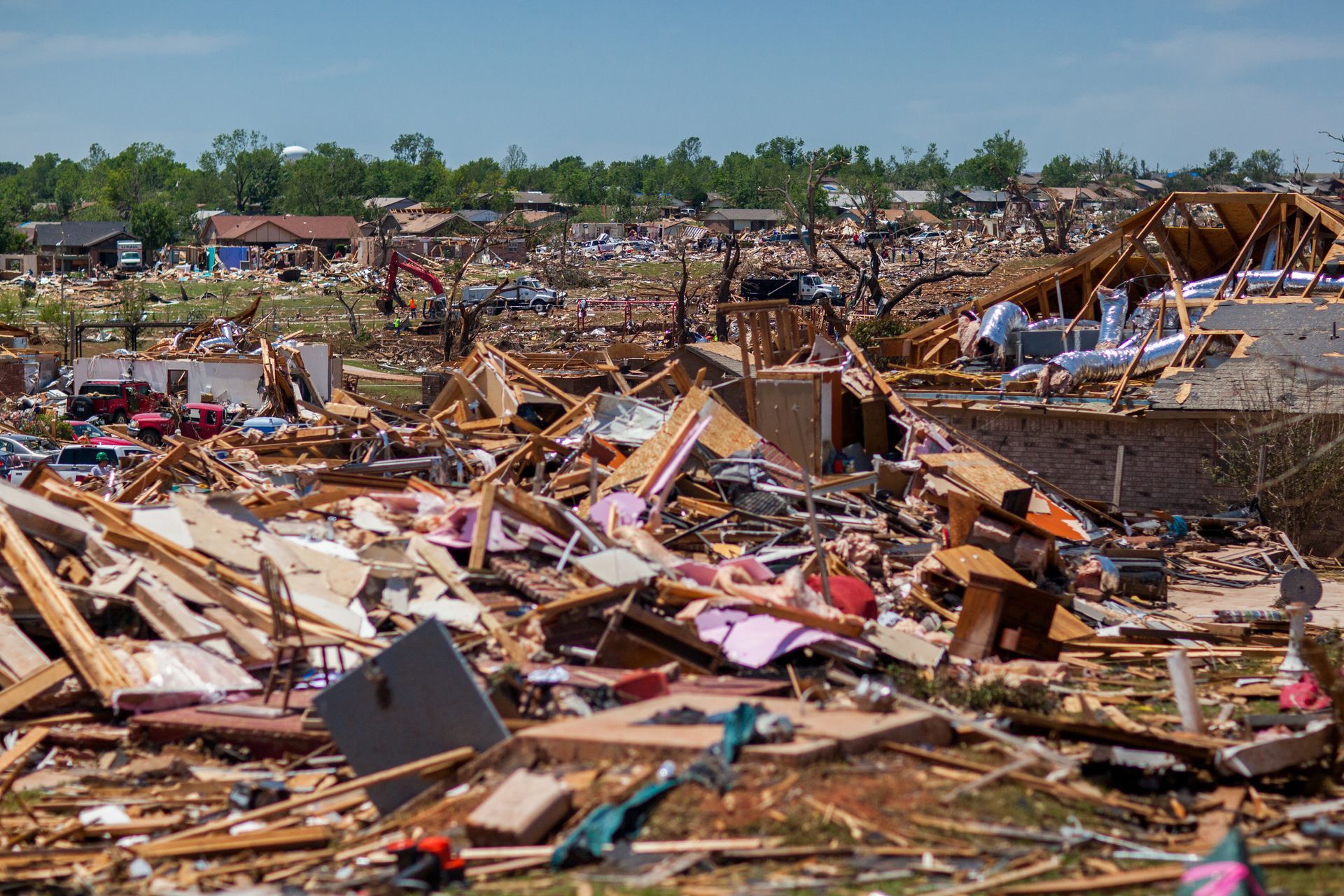
THROUGHOUT much of history, the lives of many people ran according to the 17th-century maxim of Thomas Hobbes, being somewhat "solitary, poor, nasty, brutish and short''. There was little, if any, protection from the constant waves of disasters, both natural and man-made. Even when attempts were made to provide a protection from the ills of civil life, the efforts were generally limited and local.
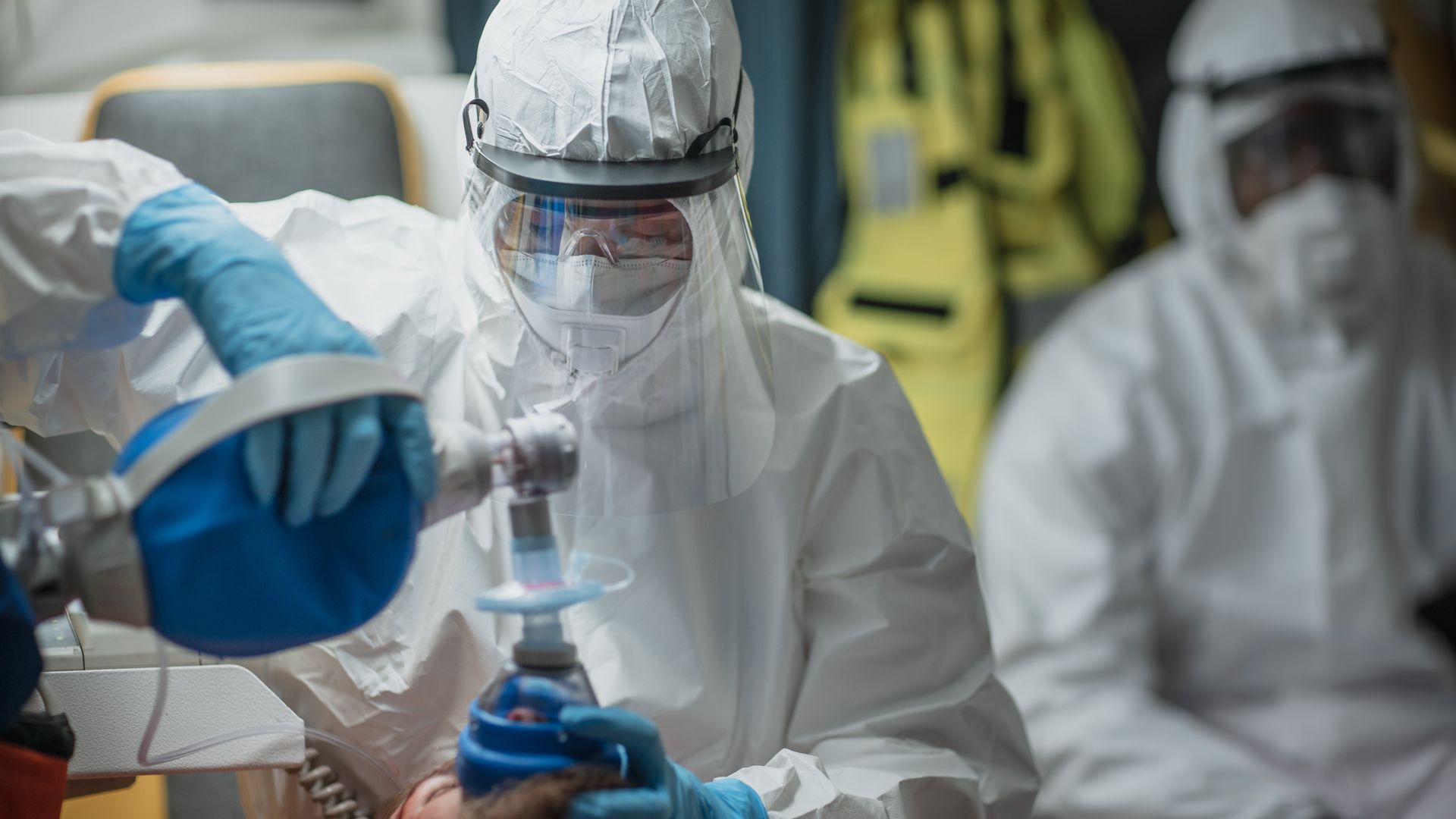
FIRST RESPONDERS MUST KNOW WHAT TO DO WHEN CONFRONTED WITH CHEMICAL, BIOLOGICAL AND RADIOLICAL INCIDENTS.

PEOPLE CAN RESPOND BETTER TO AM EMERGENY IF SOME THOUGHT GOES INTO COMMUMICATION,