Risk Reduction is Australia’s Future
Australia cannot keep paying after disasters while underinvesting before them. Janelle Saffin argues for a national Disaster Risk Reduction 2050 national project with clear targets, serious funding and urgent action to reduce known risks, protect communities, lower future costs and make preparedness not endless recovery our defining national response.
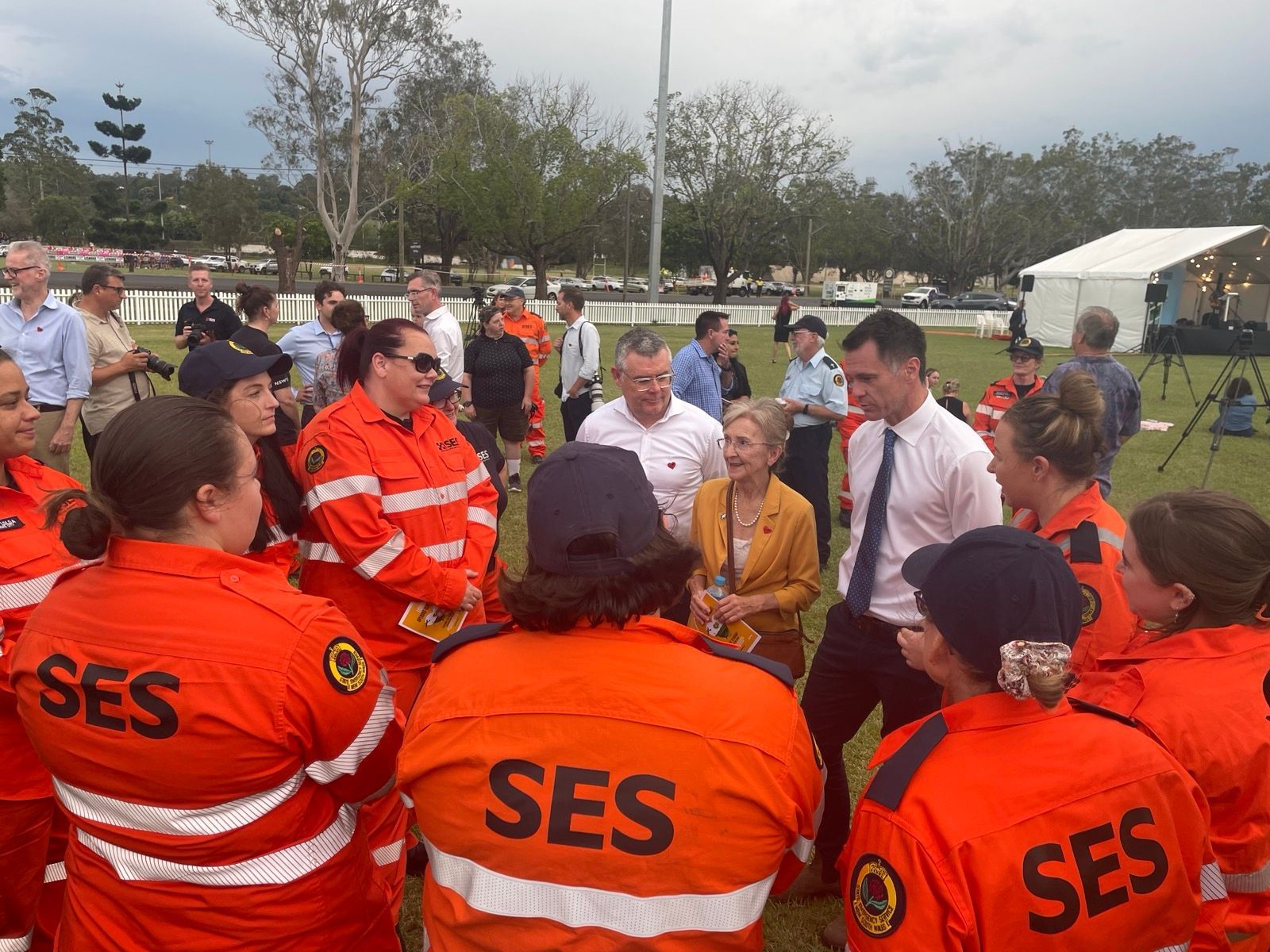
Australia has committed to Net Zero by 2050 because we understand the cost of failing to act on climate change.
Disaster risk reduction (DRR) deserves the same urgency, ambition, and commitment.
There is nothing natural about disasters, particularly those driven by extreme weather. They occur when we fail to invest in reducing risk.
Australians know the next flood, fire, cyclone, storm, or heatwave will come. We do not know exactly when or where, but we know enough to act now.
We know the risks and must act urgently to reduce them
What is missing is resolve - and a shift from planning for what happened to planning for what could happen. We must expunge the rear vision mirror mindset to fully embrace disaster risk reduction.
Australia needs a national 2050 mission for disaster risk reduction: clear targets, serious investment, and the urgency we have brought to Net Zero. Climate change may still be contested by some, but the rising frequency, intensity, and damage of extreme weather is not. I have lived it, as have many communities. We understand the scale of the risk.
Even as Net Zero becomes a reality, the risks from extreme weather events will not immediately abate.
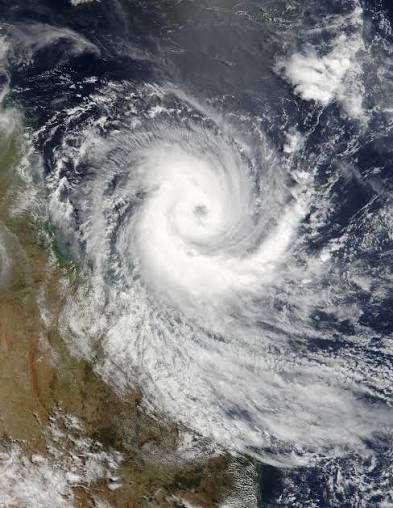
We are one of the most hazard-exposed developed nations on earth. Floods, fires, cyclones, heatwaves, drought, and coastal erosion are already reshaping lives, livelihoods, and local economies.
The Cost of Waiting
The future cost is confronting. Australia’s National Climate Risk Assessment warns climate risks will become more frequent, intense, and compounding. Reporting on the assessment points to possible cumulative wealth losses of $4.2 trillion by century’s end, more than $600 billion at risk in the property market, and three million people exposed to coastal hazards by 2090 under a 3-degree scenario.
The economics are undeniable. Natural disasters could cost Australia $73 billion a year by 2060. Every dollar invested in resilience can return around nine dollars in avoided losses. If any other policy delivered that return, we would scale it quickly.
In NSW, my home state, we are managing about $16.1 billion in disaster relief funding arrangements, from the 2019–2020 bushfires to recent floods and storms. Too often, this means replacing infrastructure that will need replacing again. These are not abstract numbers. They are homes, businesses, farms, roads, schools, hospitals, ecosystems, and communities - and the future cost of decisions we make now.
Yet Australia still spends too much after disaster and too little before it. We rebuild roads, fund recovery, and repair damaged infrastructure. We wait for catastrophe and then pay more. We are turning the dial, but not fast enough or with enough resources. These disasters are cutting through our economies and environment.
This is also a humanitarian and national security issue. A primary role of governments, particularly the Commonwealth, is to keep citizens safe and secure.
What Disaster Risk Reduction Would Do
Disaster risk is not too complex to reduce. Hazards will keep coming, but vulnerability is shaped by policy choices.
We know many solutions: flood mitigation, strategic buybacks, resilient housing, stronger building standards, nature-based infrastructure, smarter planning, better warnings and reconstruction that does not repeat past mistakes.
The challenge now is implementation at national scale.
Risk Reduction 2050 would set national targets to reduce exposure to known hazards, backed by regular assessments, long-term mitigation funding, resilient infrastructure standards and joined-up planning across housing, insurance, environment, infrastructure, and emergency management.
Success should not only be measured by lives saved, grants delivered, or roads reopened after disaster. It should be measured by risks removed, losses avoided, and communities made safer before disaster strikes. Communities hit by floods, fires, and cyclones need long-term mitigation, adaptation and preparedness.
That means scaling up the Disaster Ready Fund into a serious national mitigation program. A $1 billion annual Commonwealth commitment to 2050 would deliver at least $23 billion and leverage further investment from states and territories.
Risk reduction must also recognise the human toll. Repeated disasters damage confidence, connection, and trust, particularly in government. Recovery must include future preparedness and social healing, not only concrete, engineering, and insurance.
The next major disaster will come. That is not alarmism. It is Australia’s reality.
The real question is whether we will keep accepting losses we already know how to reduce.
We often ask whether Australia can afford to invest more in disaster risk reduction. The better question is whether we can afford not to.
We need continued cultural change, long-term commitment, and sustained funding.
The long-term plan is clear:
- Set a 2050 target for disaster risk reduction.
- Turbocharge the Disaster Ready Fund.
- Create state disaster mitigation plans across all jurisdictions, supported by regional and local disaster adaptation plans.
- Back the draft convention on the protection of people in disasters and continue the global conversation to give expression to the Sendai Framework that Australia ascribed to.
The choice before us is stark: continue paying more and more for recovery, or invest now in preparedness, mitigation, resilience, and risk reduction.
This is our new normal, and how we respond to it will define us.
National DRR Mission 2050
Future generations will not judge us because floods, cyclones, fires, and storms occurred. They will judge us by whether we reduced the risks we already understood.
Australia’s next great national mission should not be recovery alone. It must begin with risk reduction.
The safest community is not the one that recovers fastest. It is the one spared avoidable catastrophe in the first place.
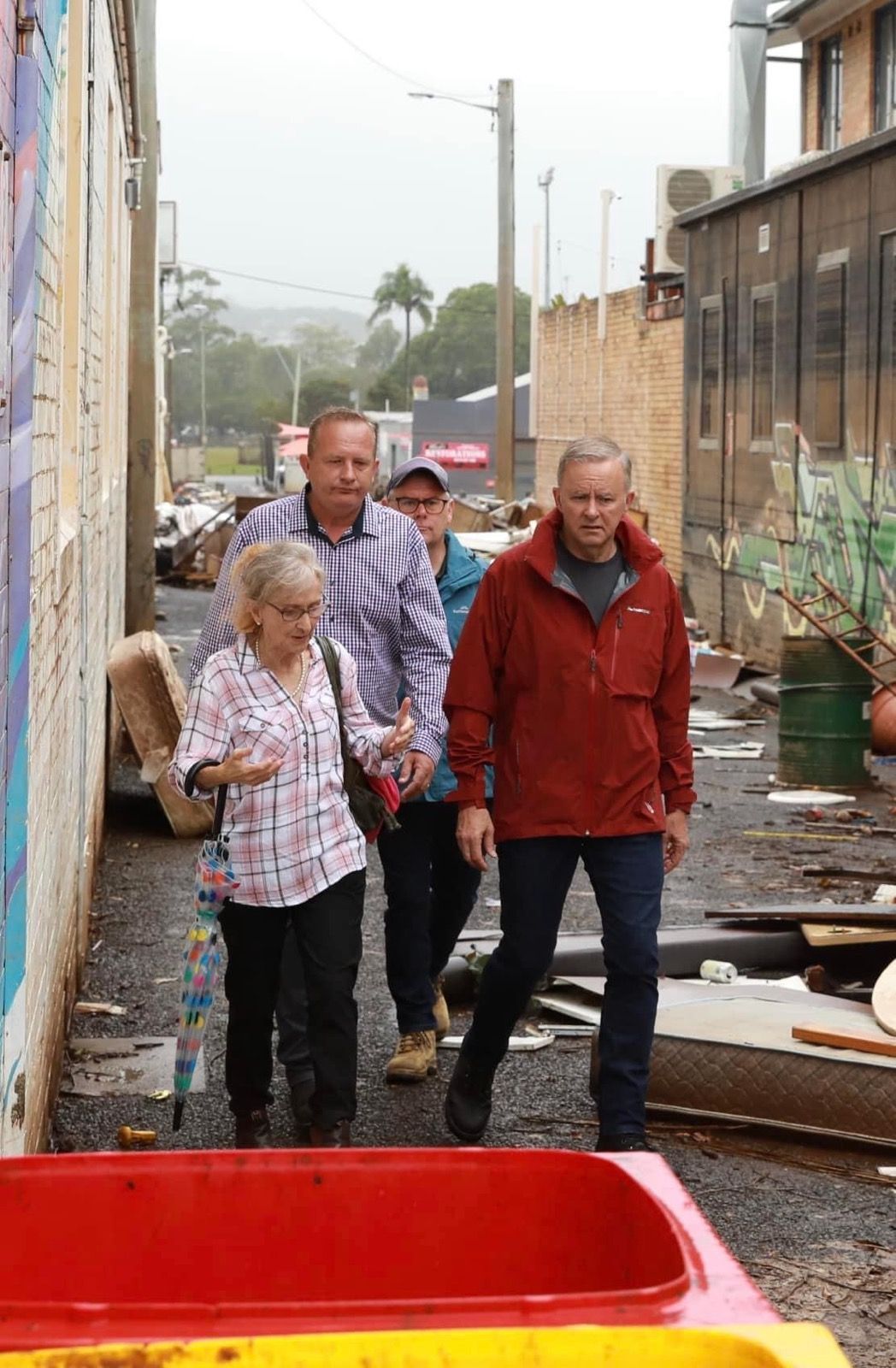
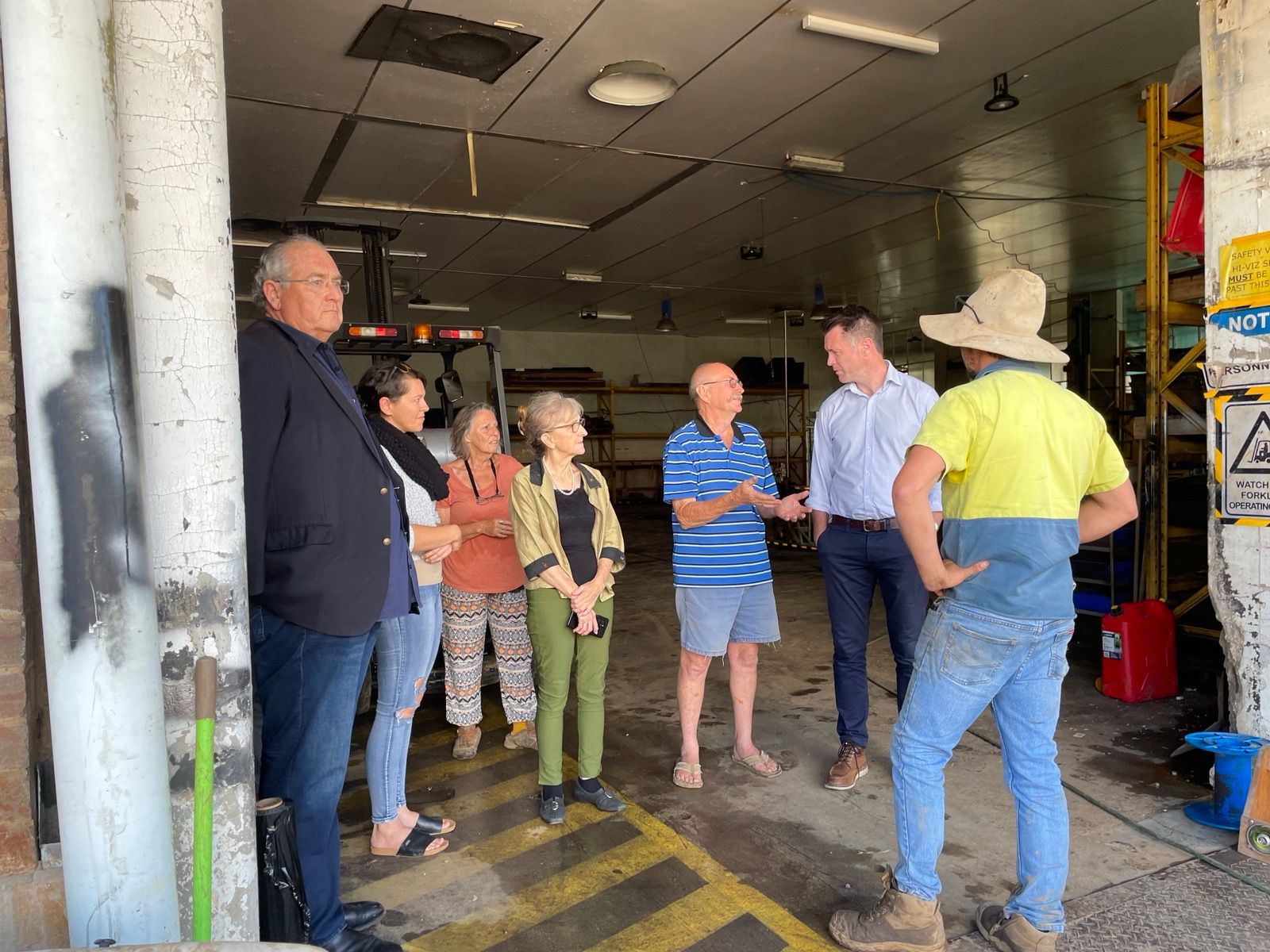
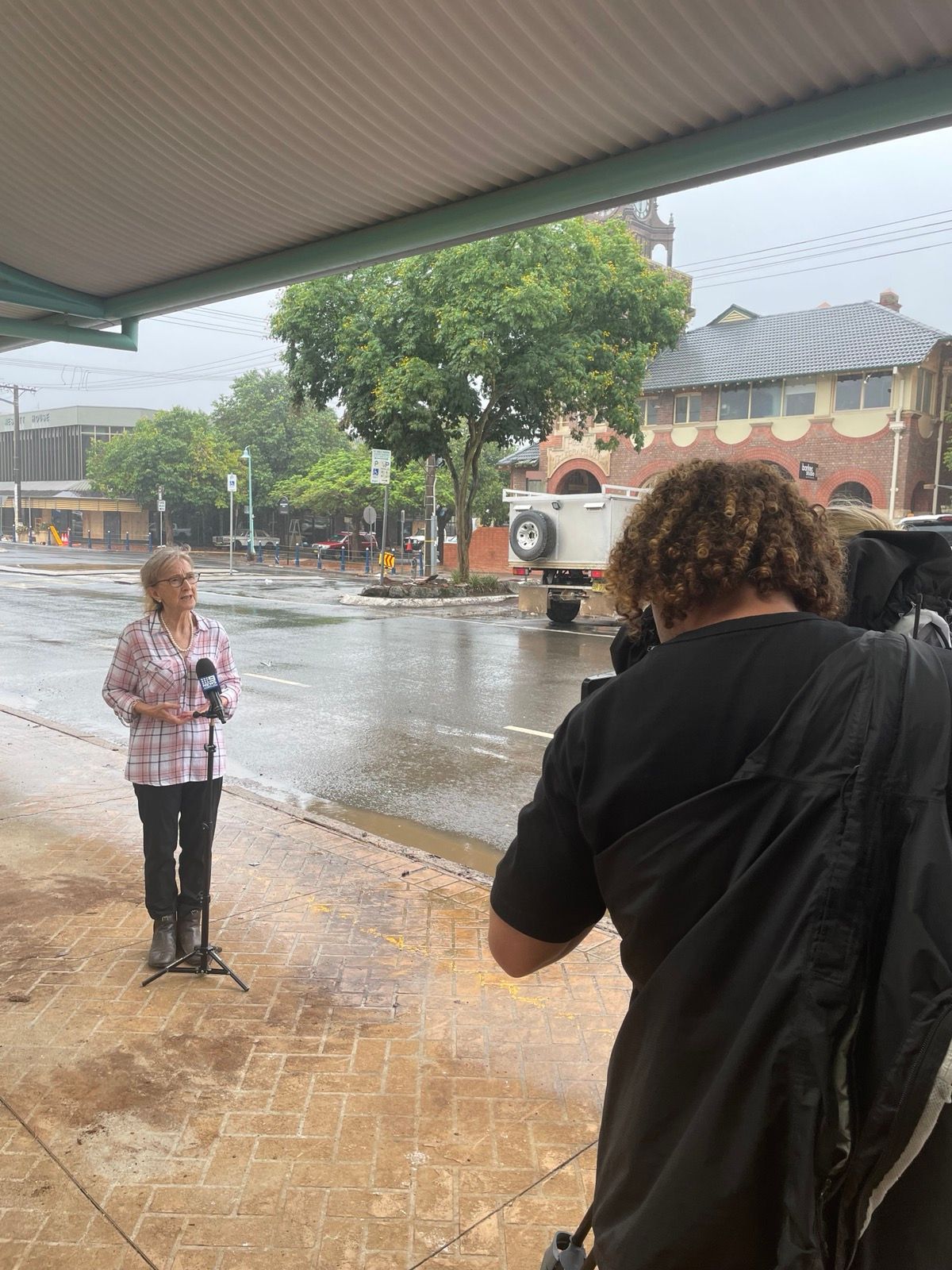
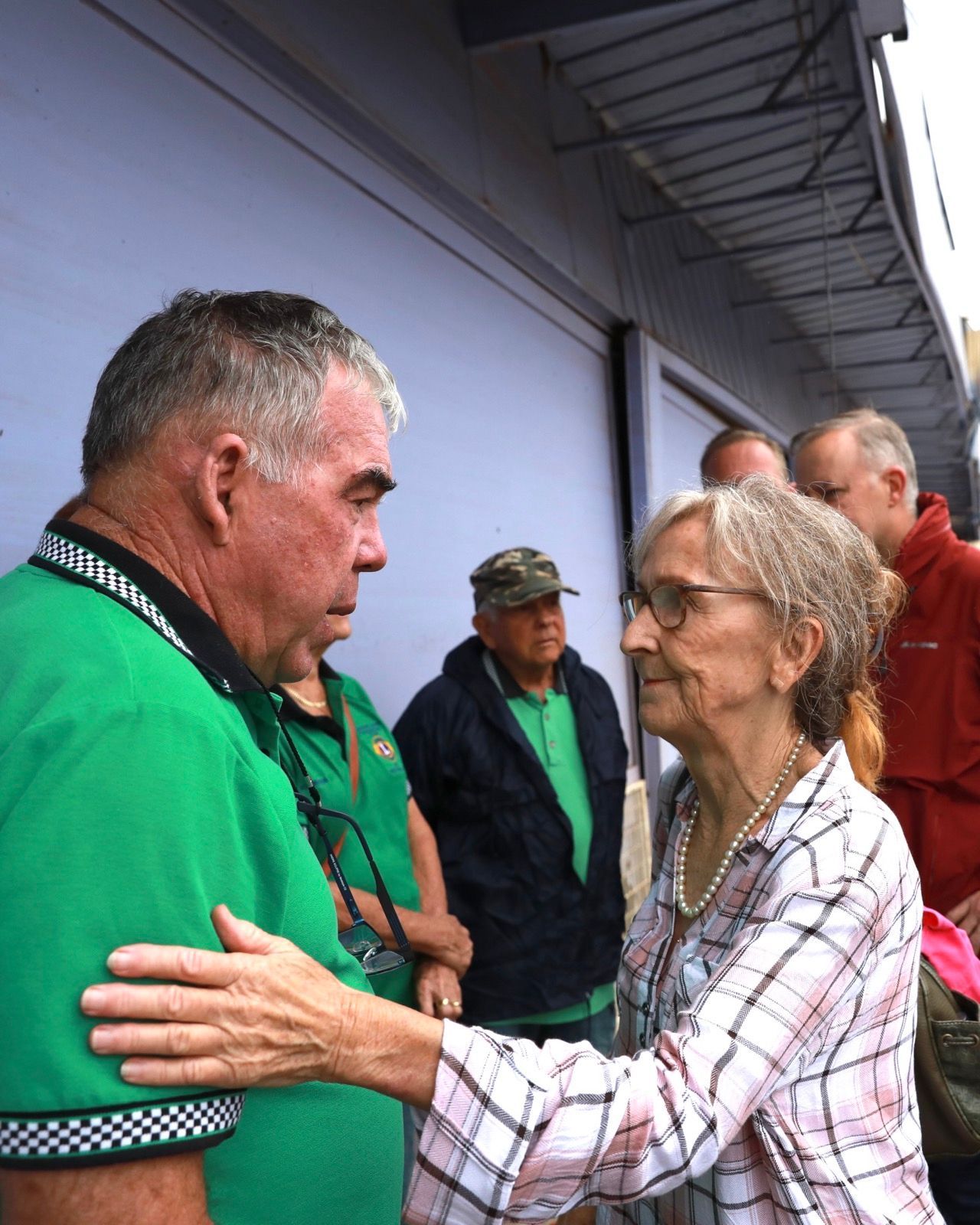
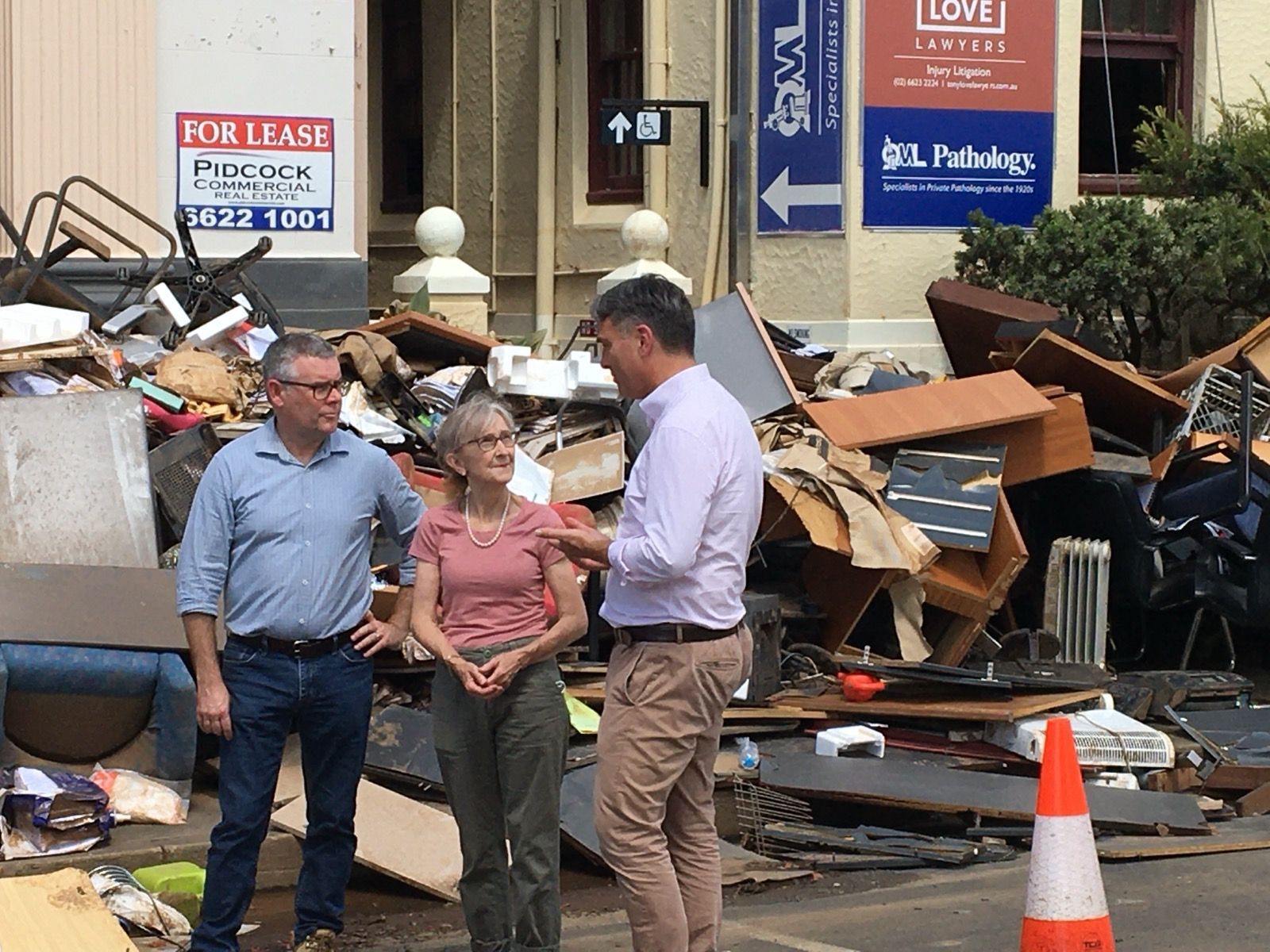
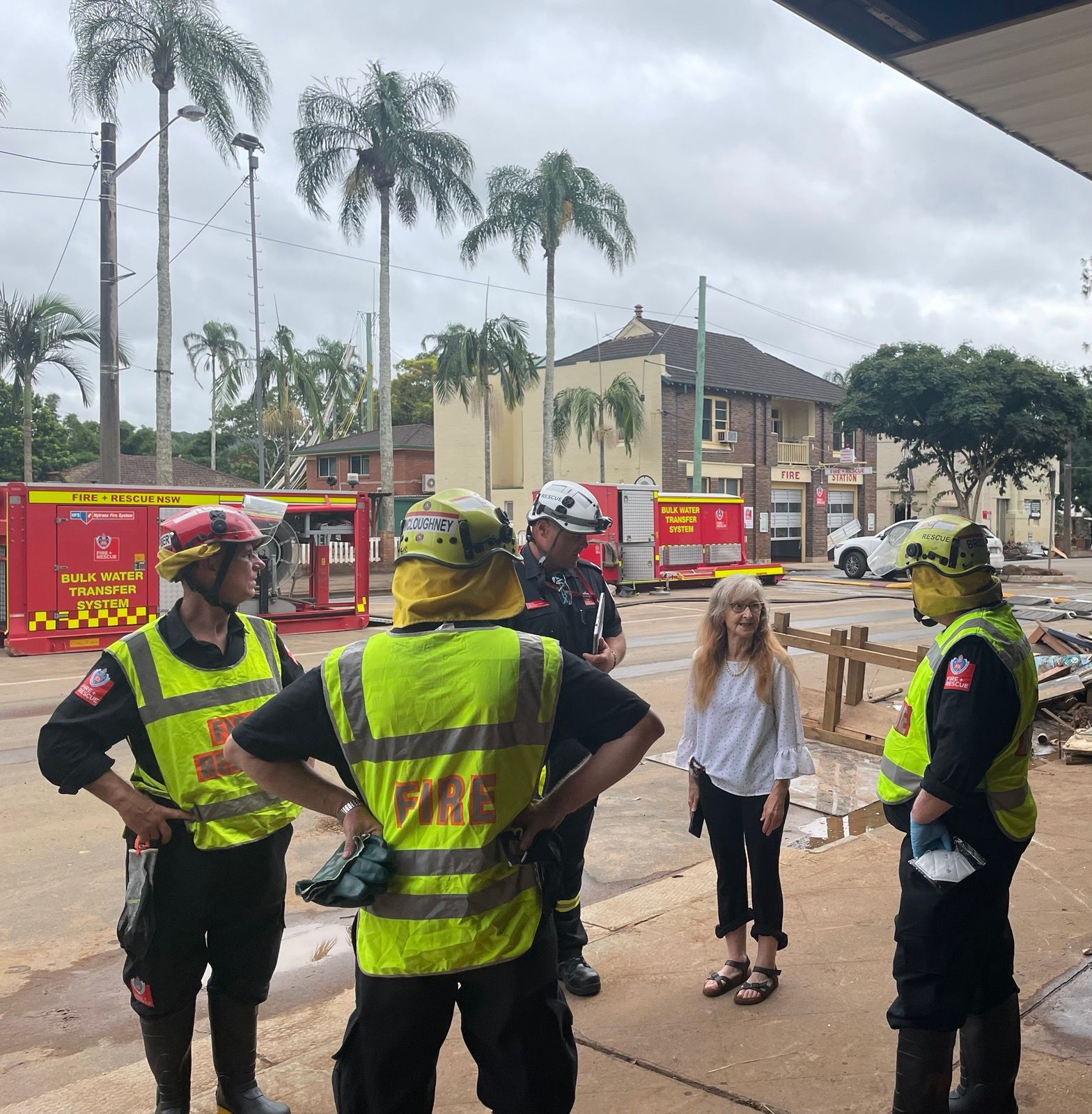
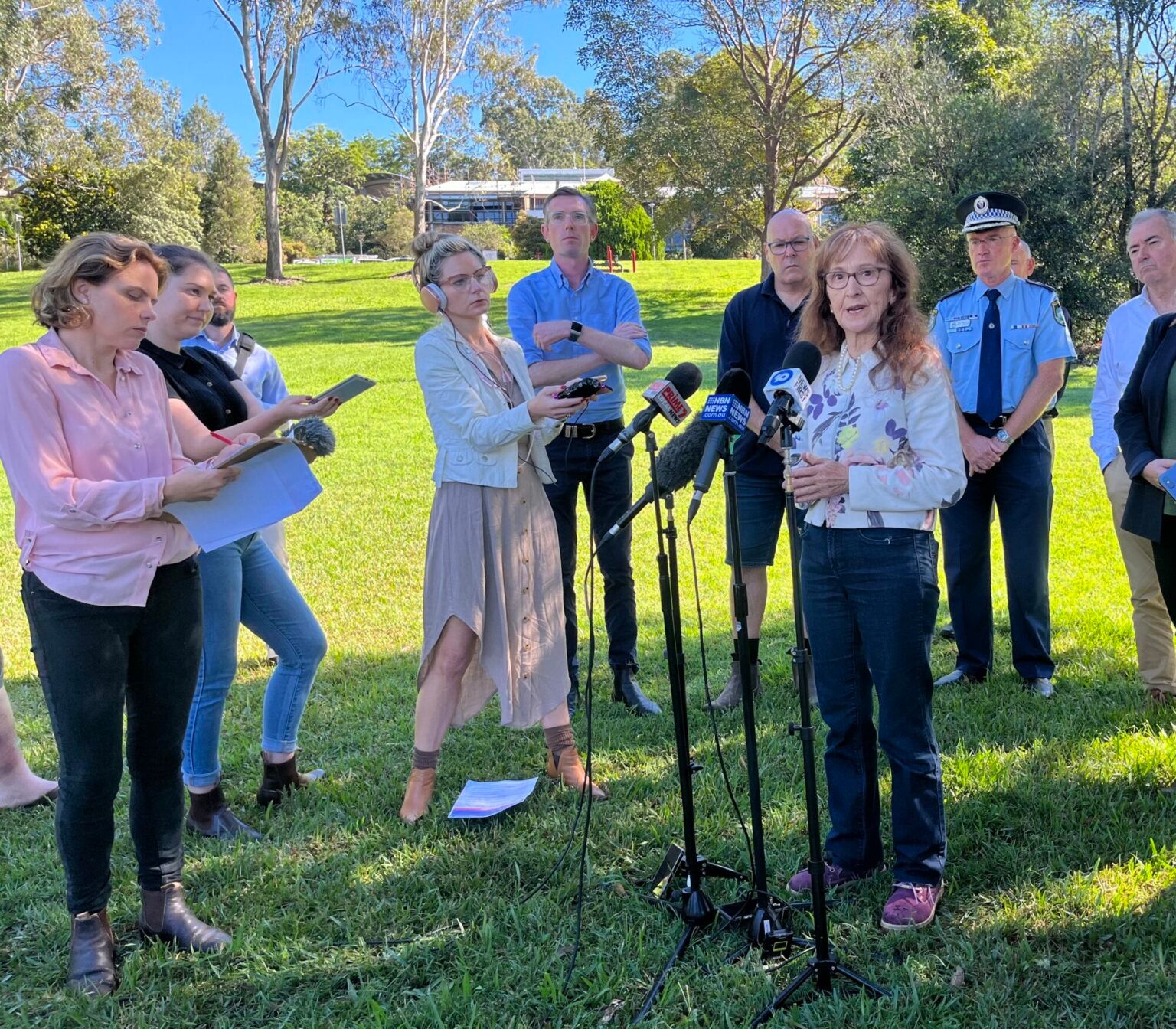
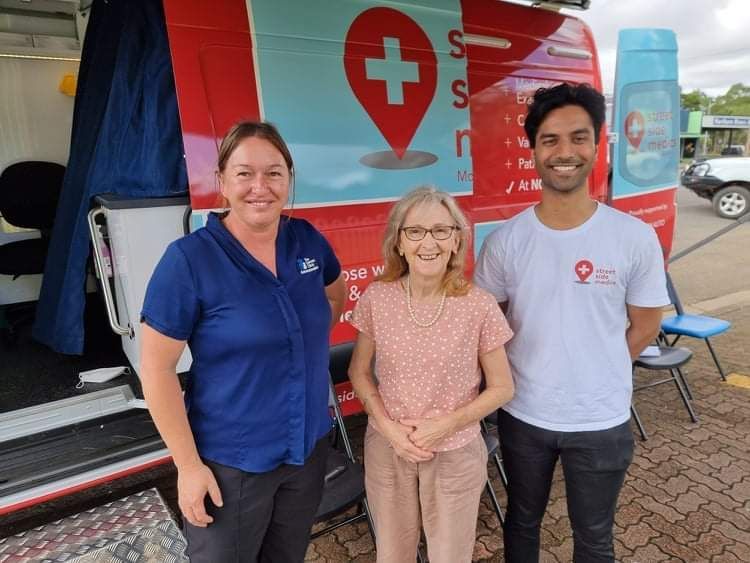
Janelle Saffin is the Member for Lismore, a long-serving advocate for regional communities, disaster resilience and practical reform domestically and globally.
More design inspirations