Disasters Don't Respect Jurisdictions: Why Emergency Management Must Move Beyond Silos
Australia doesn’t have a disaster response problem. It has a collaboration problem. As disasters become more frequent and disaster funding becomes harder to secure, a system shaped by jurisdictional silos, duplication, and organisational competition is increasingly difficult to justify. While collaboration is widely advocated, the structures and incentives that shape emergency management often reward the opposite.
This article challenges the sector to embrace shared accountability, complementary capability, and collective impact. The question is no longer whether we can afford to work differently, but whether we can afford not to, if communities are to receive the support they deserve.
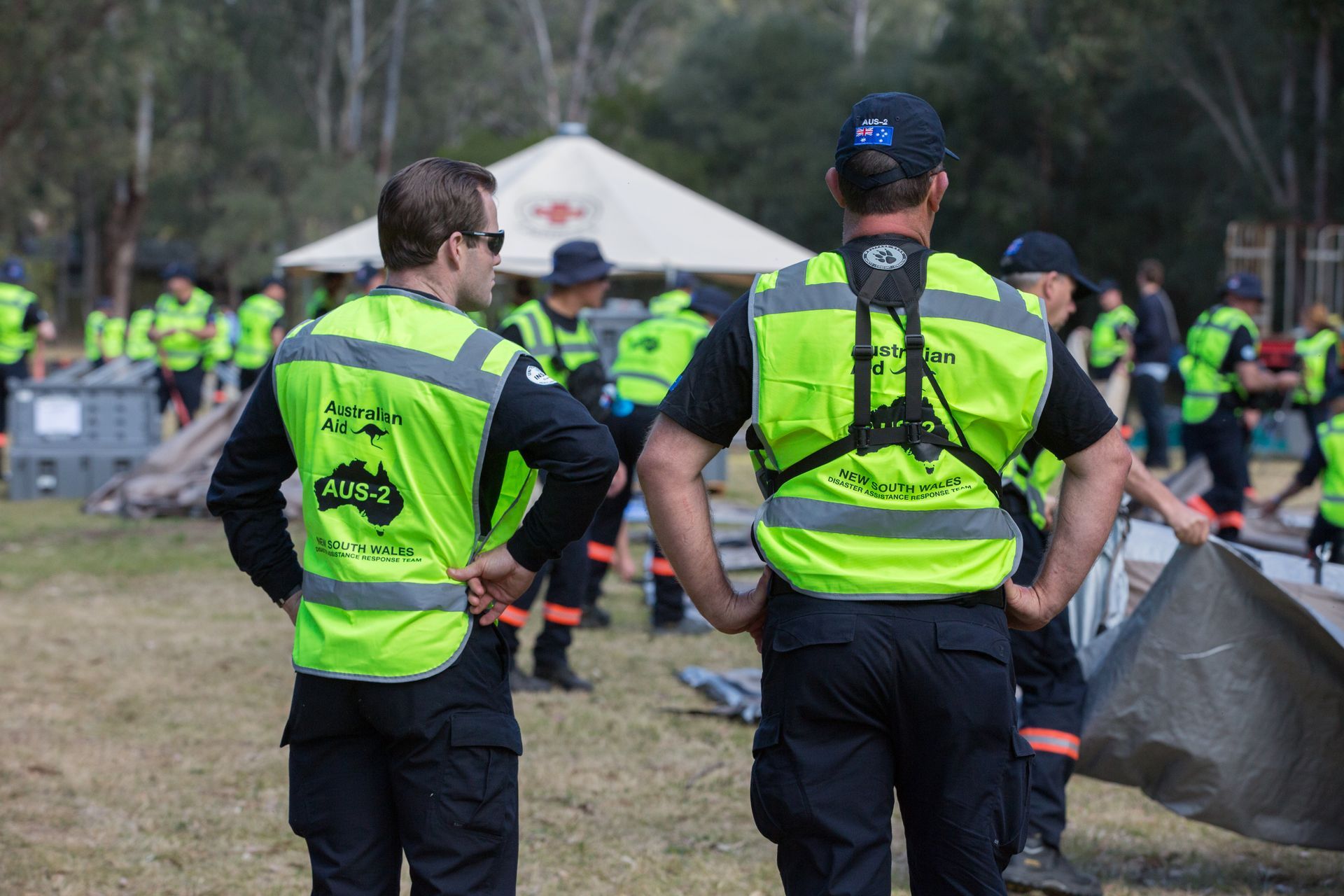
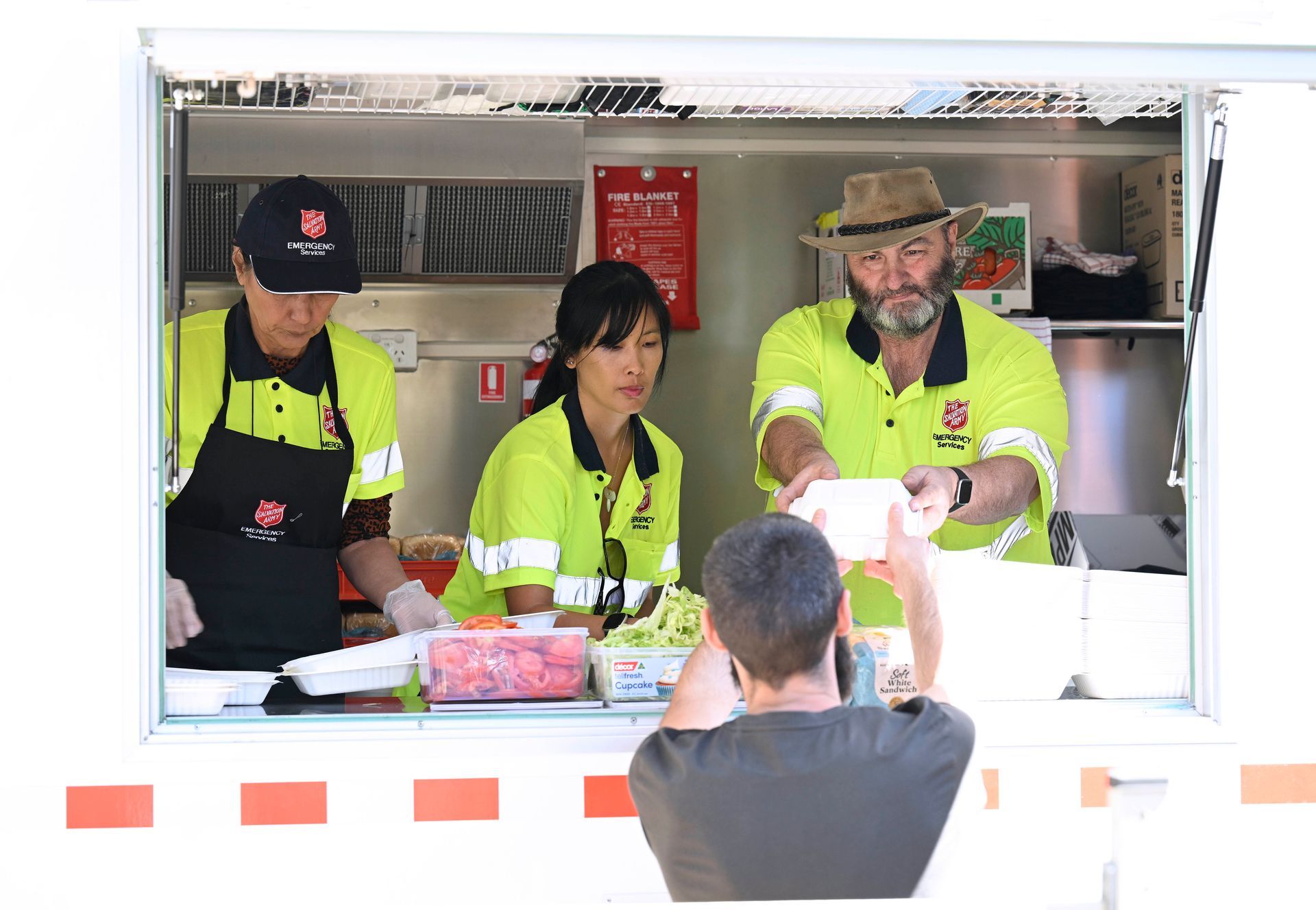
Australia is good at responding to disasters. Every year, emergency services, governments, charities, faith-based organisations, and community groups mobilise to support people affected by natural disasters and other major emergencies. Dedicated people do extraordinary work in extraordinarily difficult circumstances.
Yet if we are honest with ourselves, one of the greatest challenges facing Australian emergency management is not capability. It is fragmentation.
Emergency management is a state and territory responsibility. The result is a collection of jurisdictional systems, each with their own priorities, processes, funding arrangements, and measures of success. While we talk often about interoperability and collaboration, the reality can feel more like separate parallel systems rather than a genuinely integrated national approach.
The people we serve do not experience emergencies through government structures or organisational boundaries. They experience them as complex human crises. They need support that is timely, coordinated, dignified, and centred on their needs rather than ours.
Internationally, humanitarian organisations have spent decades developing standards that help achieve exactly that. The Core Humanitarian Standard (CHS), for example, provides a globally recognised framework for accountability, participation, coordination, and quality, and is explicitly applicable to any organisation supporting people affected by crisis. It promotes community participation, coordinated support, accountability and continual improvement, principles that are entirely relevant in an Australian emergency management context.
Many of these principles already align with Australia's own disaster resilience doctrine, particularly around community engagement, inclusion, partnership, and shared decision-making. Yet standards such as CHS remain largely unknown across much of the domestic emergency management sector.
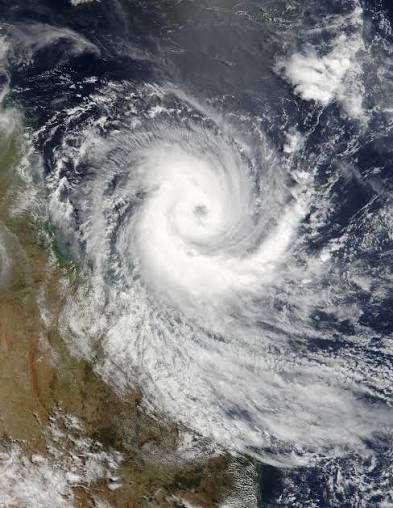
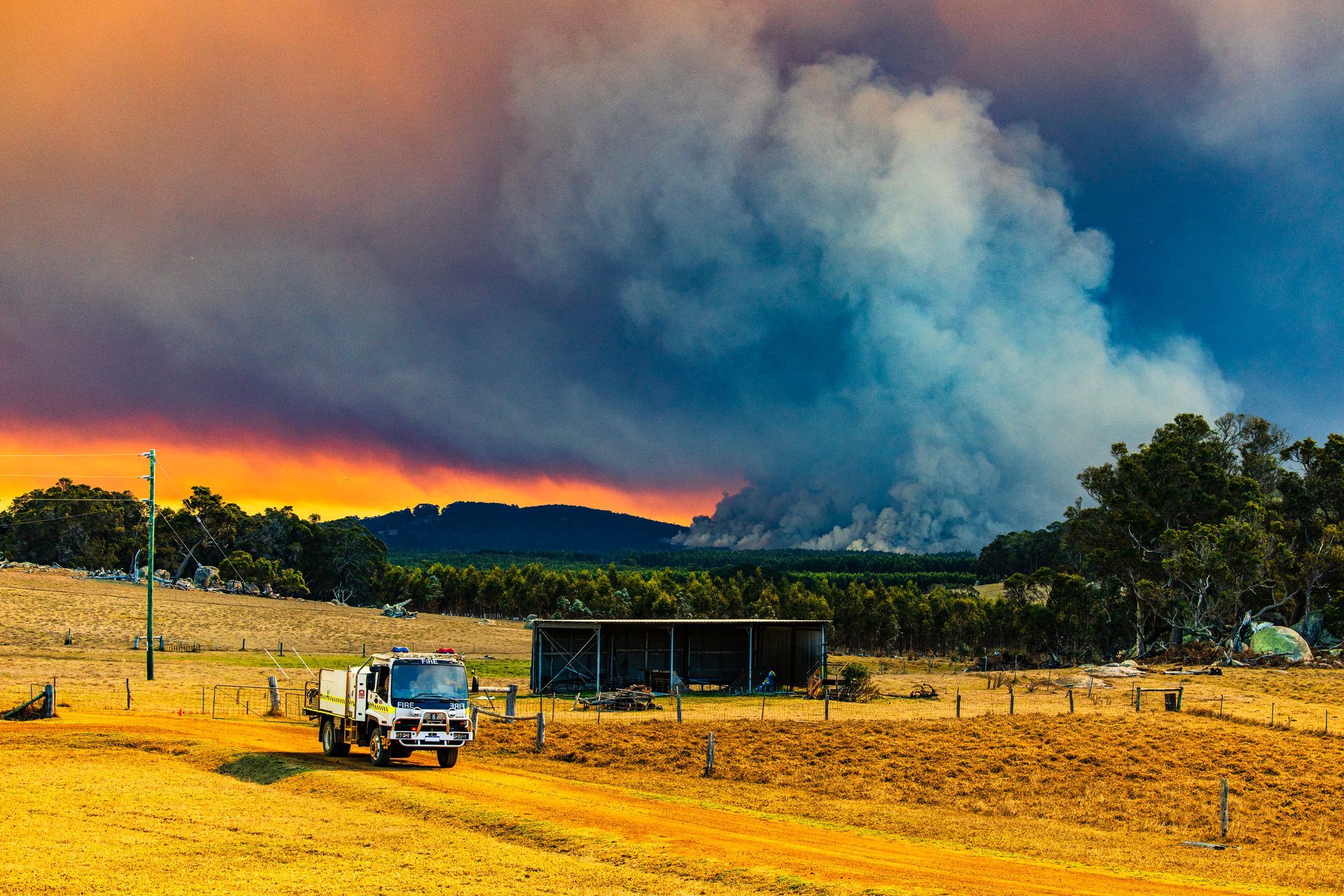
At the same time, disasters are becoming more frequent, more complex, and more costly. Appeal income is under increasing pressure as communities face cost-of-living challenges, donors experience fatigue, and organisations compete for a shrinking pool of resources.
In that environment, duplication is not merely inefficient; it is irresponsible.
The future cannot be built on multiple organisations delivering similar services while competing for funding, profile, or influence. Genuine collaboration requires common accountability standards, shared assessment, and referral processes, interoperable information systems, joint training, and greater clarity around agency roles and specialisations. These are not new ideas, but they remain the exception rather than the norm.
No single organisation can meet every need following a disaster. Nor should it try. The real measure of success is not organisational visibility or brand recognition. It is whether individuals, families, and communities recover faster, become more resilient, and experience a more dignified pathway through crisis.
Disasters do not respect jurisdictions, portfolios, or agency mandates. Our systems should stop acting as though they do. The opportunity before us is simple: less competition, more collaboration, and better outcomes for the people who matter most.
Daryl Crowden is General Manager, Emergency, Aid and Development for The Salvation Army Australia. With more than two decades of experience across emergency management, humanitarian response, disaster risk reduction, and community development, he has worked in disaster-prone and crisis-affected environments globally. Daryl is a passionate advocate for community-centred practice, accountability, and cross-sector collaboration, regularly speaking and writing on emergency management reform, humanitarian standards, and the need to move beyond organisational silos to achieve better outcomes for communities affected by crisis.
More design inspirations