Beyond disaster relief: The Salvos' bigger mission
The Salvos are strengthening national emergency response capability, partnerships, and coordination across agencies and jurisdictions to help Australian communities prepare for and recover from disasters.
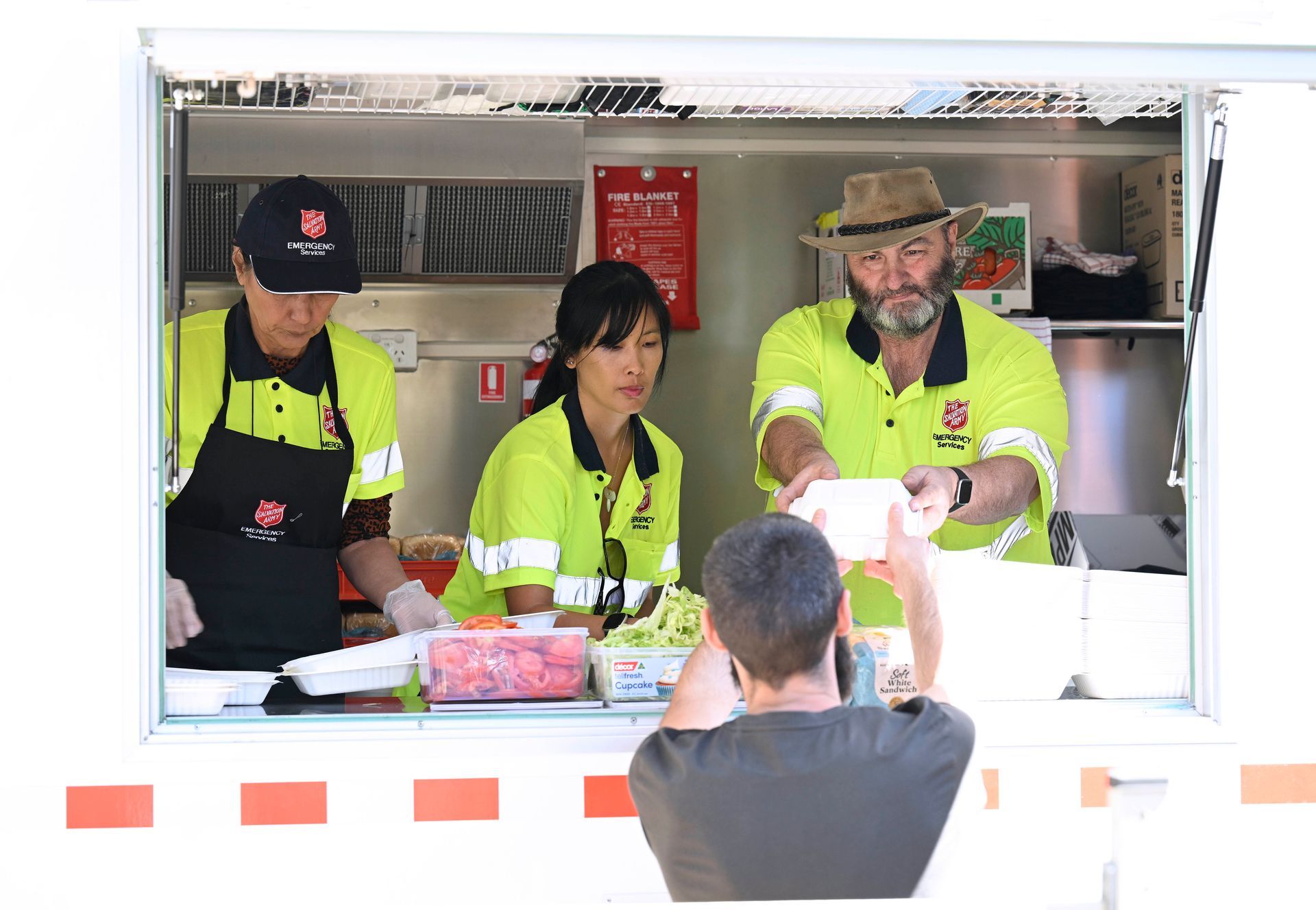
A meal meets an immediate need during a disaster, but what happens next matters too. For The Salvation Army, strengthening Australia’s emergency response means connecting practical relief with the services that help people recover.
Its national emergency services program has 38 employees and 2,000 volunteers, with teams in every state and territory. A national training module is being developed to make the service more consistent across the country.
In Western Australia, the Salvos have an agreement with the Department of Fire and Emergency Services to provide emergency catering.
“Unfortunately, we don’t have that same kind of clarity in most other states,” says Daryl Crowden, The Salvation Army Australia’s General Manager, Emergency, Aid and Development.
Crowden advocates for better national coordination, particularly when emergencies cross state borders. He says arrangements generally work within one jurisdiction but become more difficult across several.
More than meals and material aid
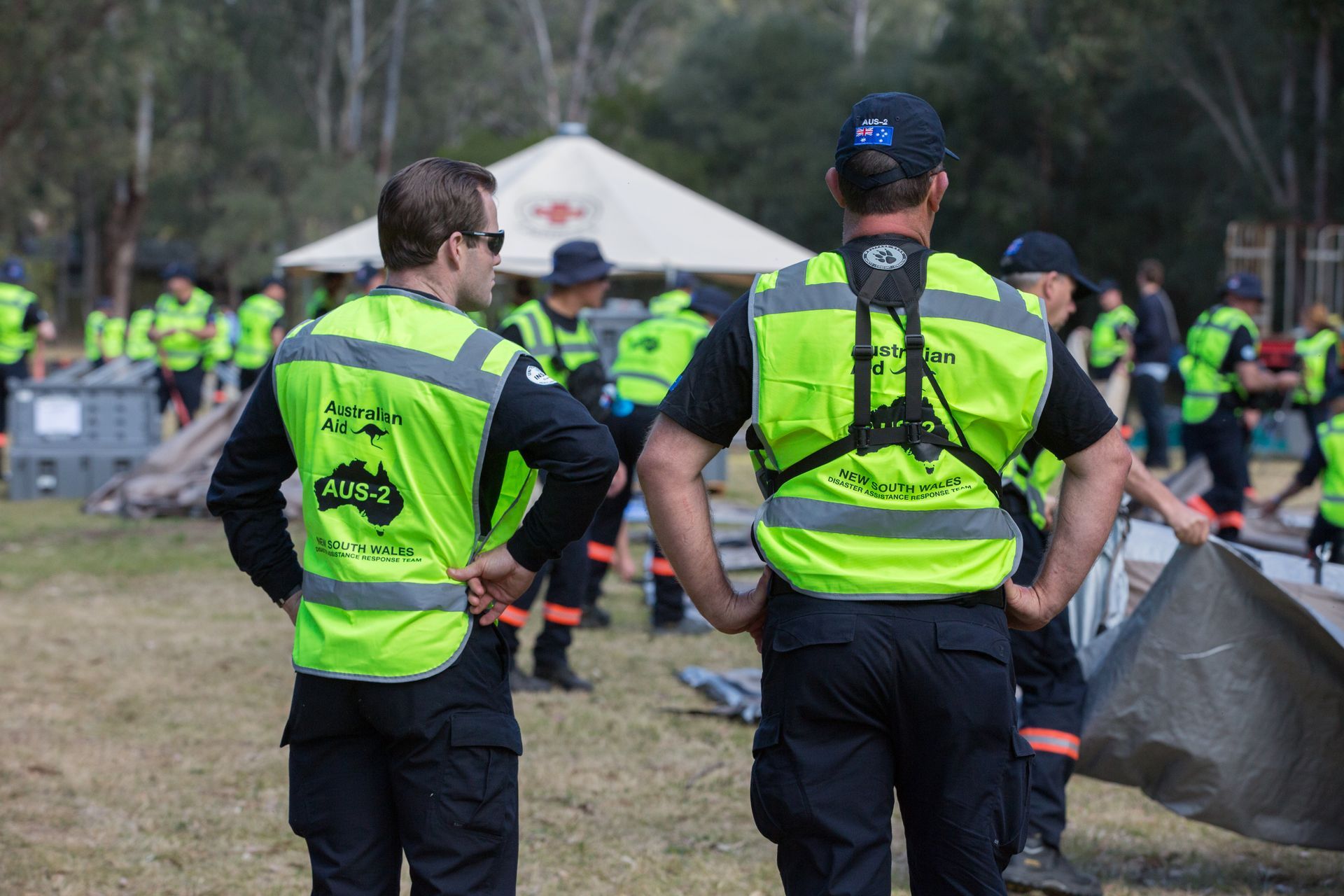
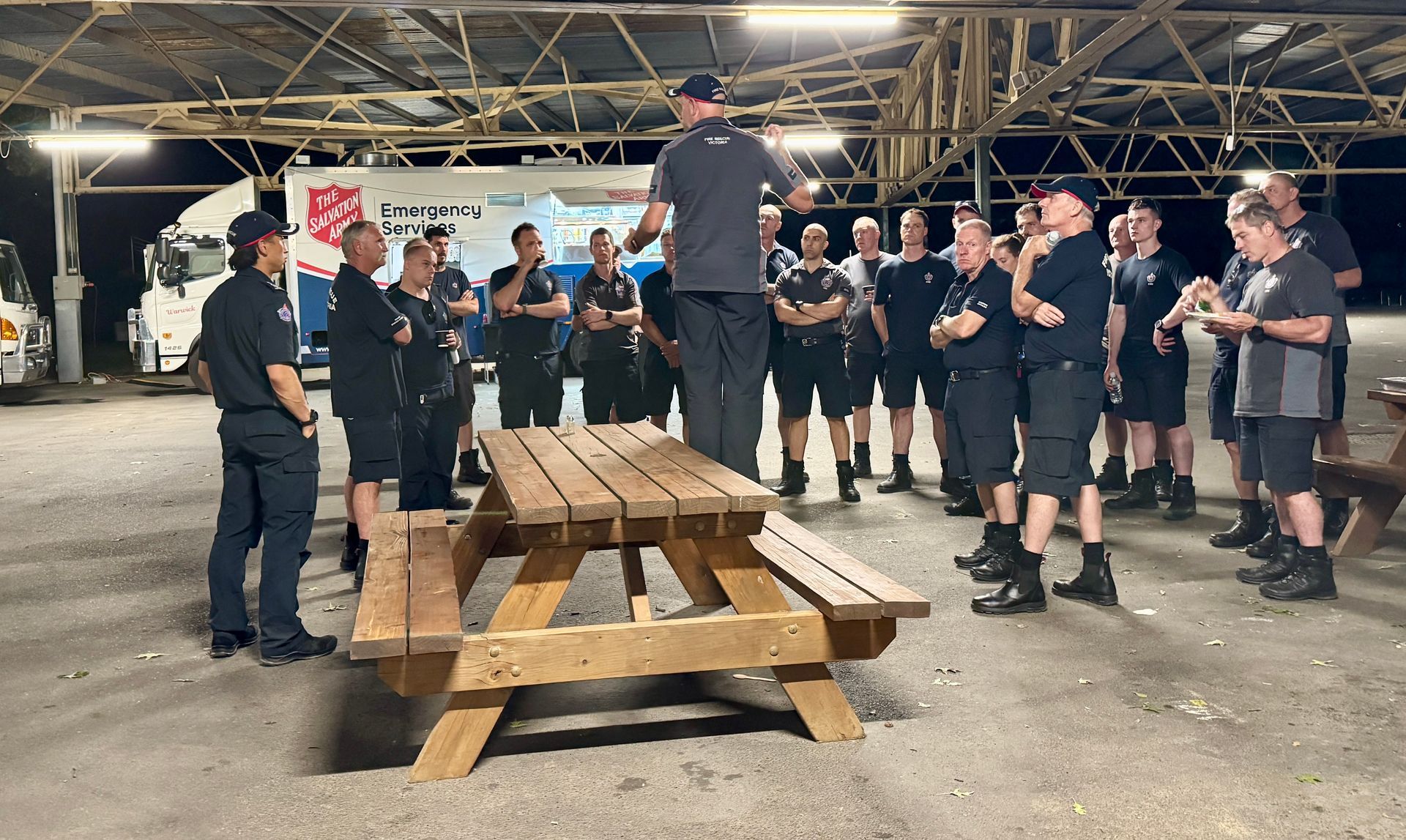
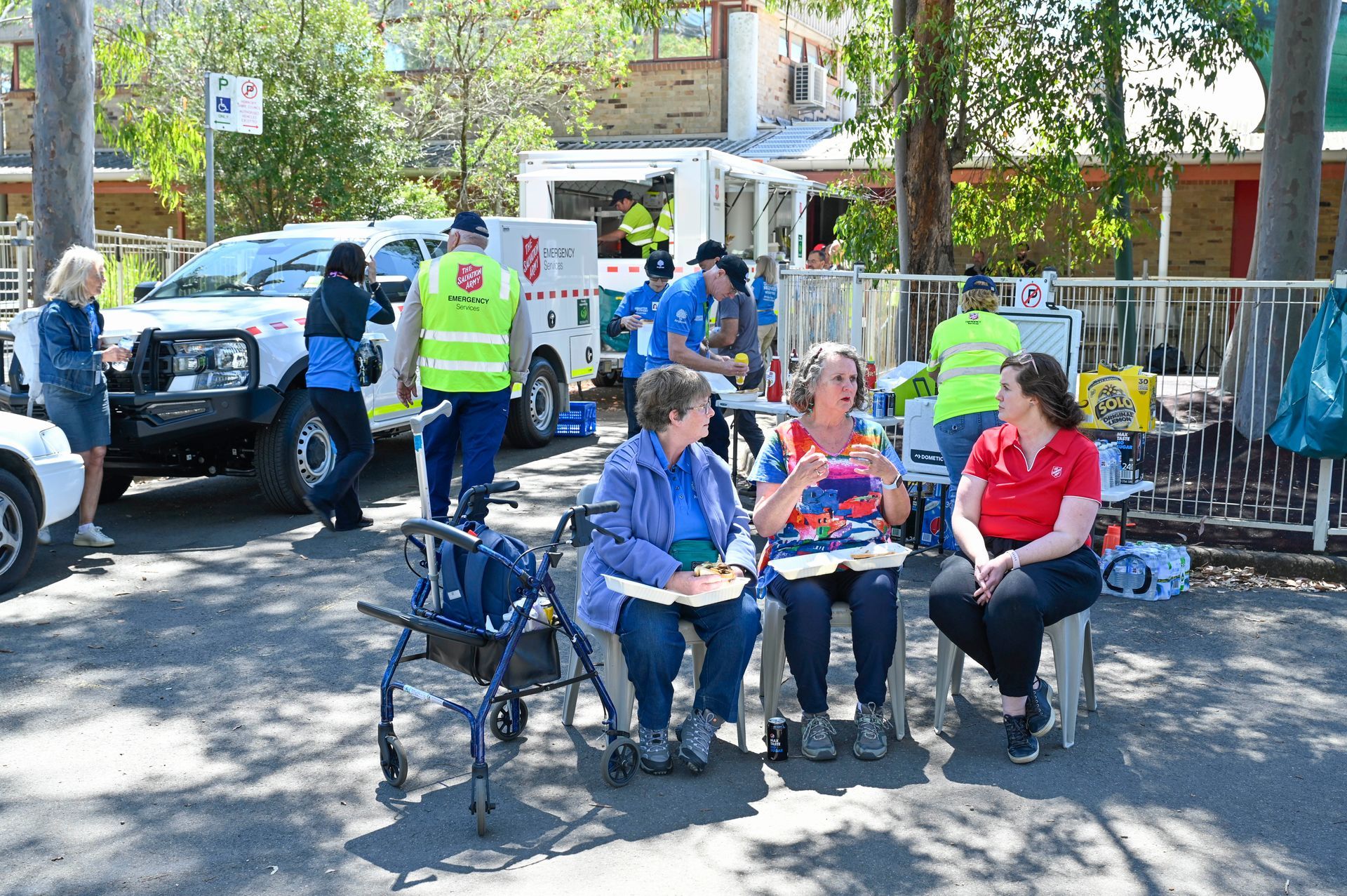
The Salvos respond by invitation, catering for first responders and people at relief and evacuation centres, alongside material assistance such as bedding and clothing.
Crowden distinguishes that immediate work from the organisation’s wider contribution to recovery. Emergency teams meet urgent needs; established services such as Doorways, Moneycare, and Salvos Stores offer financial assistance, financial counselling, and material support.
Connecting those services means considering recovery from the start—not only when the immediate response ends.
“So, I’m asking not only how do we help people survive today, but also help them recover, thrive, and reduce the risk of being back here again tomorrow,” he says.
That means listening to communities and recognising their ability to shape recovery.
“People do need food, cash, shelter, and health care, but they don’t stop being the experts in their own lives because there’s a crisis,” Crowden says.
Boosting co-ordination across the country
He also wants community organisations more involved in coordination. The Salvos attend National Emergency Management Agency events but, he says, are not represented at National Coordination Mechanism meetings.
For preparedness, he favours partnerships with the Red Cross and SES over developing a separate approach.
With more than 135 years of integrated crisis response practice and a presence in 134 countries, the Salvos bring global experience to Australia’s emergency response.
“When relief, resilience, and social cohesion are designed and delivered together, communities are better equipped to withstand shocks and create lasting change,” Crowden says.

Website: www.salvationarmy.org.au/emergency-services/
Email address: mediarelations@salvationarmy.org.au.
More design inspirations